

Chemical Peels & Microneedling · Skin Resurfacing
Chemical Peels and Microneedling: Two Paths to Smoother, More Even Skin
Peels exfoliate the surface. Microneedling rebuilds collagen deeper in the skin. Here's how each works, what the research shows, and which one fits your skin concern.
Reviewed by Dr. Sam Abaza. Diplomate, American Board of Physician Specialties
5 min read · 6 scientific references
73.3%
of microneedling patients saw significant acne scar improvement in a study on darker skin tones. Clinical study, 2021.
0.5-2.0mm
typical microneedling penetration depth, adjusted by treatment area and concern.
3-6 months
timeline for full microneedling results as new collagen builds gradually.
~1 week
for visible chemical peel results to appear, since exfoliation acts on the surface immediately.
How do chemical peels and microneedling actually work?
A chemical peel uses an acid solution to dissolve the bonds holding dead and damaged skin cells together, allowing that outer layer to lift away and reveal fresher skin underneath. Depending on the acid and strength used, a peel can be superficial, working only on the outermost skin layer, or medium-depth, reaching further into the skin for a more noticeable result. This exfoliation process also stimulates some collagen production as the skin heals, but its primary mechanism is removing damaged surface layers.
Microneedling, also called collagen induction therapy, works differently. A device with fine, sterile needles creates thousands of controlled micro-injuries at a set depth, typically 0.5 to 2.0 millimeters depending on the concern being treated. Rather than removing surface skin, this triggers the body's natural wound-healing response, prompting new collagen and elastin production directly within the dermis, the deeper structural layer of skin. This is why microneedling is often described as rebuilding skin from the inside out, while a peel works from the outside in.
What to expect during a session:
-
Consultation and skin assessment. Dr. Abaza evaluates your skin concern, whether it's texture, scarring, pigmentation, or fine lines, and recommends the treatment or combination that fits.
-
Skin cleansing. The treatment area is thoroughly cleaned to reduce infection risk before either procedure.
-
Treatment application. For peels, the acid solution is applied and timed carefully; for microneedling, the device is passed systematically across the treatment area at the appropriate depth.
-
Neutralizing or calming step. Peels are neutralized or removed at the appropriate time; microneedling sessions often conclude with a calming serum applied to the freshly treated skin.
-
Aftercare instructions. You'll receive specific guidance, such as avoiding sun exposure and certain skincare ingredients, for the days following treatment.
-
Session spacing. Peels are typically spaced several weeks apart depending on strength; microneedling sessions are generally spaced 4 to 6 weeks apart to allow full healing between treatments.
Which treatment is right for your skin concern?
Peels and microneedling aren't interchangeable, they work at different depths and are suited to different concerns. A useful way to think about it: a chemical peel gives the surface a fresh new layer, while microneedling shores up the structure underneath. Many patients benefit from both, on a schedule spaced out to let each treatment do its job.
Mohs Surgery vs. Standard Excision
Factor | Chemical Peels | Microneedling |
|---|---|---|
How it works | Dissolves and removes damaged surface skin cells | Creates controlled micro-injury to stimulate new collagen |
Depth | Primarily epidermis, deeper peels reach the dermis | 0.5 to 2.0 millimeters, adjusted by treatment area |
Onset of results | Visible within about a week | Gradual, building over 3 to 6 months |
Best for | Surface tone, dullness, fine surface lines | Acne scars, deeper texture concerns, stretch marks |
Downtime | Redness and peeling for several days, varies by peel strength | Redness for 1 to 3 days |
Clinical results | Effective for surface pigmentation and tone | 73.3% significant improvement in acne scars in a darker skin tone study |
Best skin tone fit | Requires caution in darker skin tones with stronger peels | Generally well-suited across skin tones, including darker skin |
Am I a candidate for a chemical peel or microneedling?
If your main concern is surface dullness, uneven tone, or fine texture irregularities, a chemical peel can deliver a relatively fast, visible improvement. If your concern is deeper, acne scarring, stretch marks, or more significant texture irregularities, microneedling is generally the more effective option, since it works at a deeper structural level that peels alone can't reach.
Skin tone matters in this decision. Deeper, stronger chemical peels carry a higher risk of post-inflammatory hyperpigmentation in darker skin tones, while microneedling has shown strong results across a wider range of skin tones with fewer pigmentation-related side effects. This is one of the most important factors Dr. Abaza considers when recommending one treatment over the other, or a combination approach.
Dr. Abaza's Recommendation
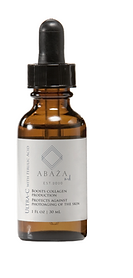
Whether you're recovering from a peel or a microneedling session, freshly treated skin benefits from ingredients that support the skin barrier without causing irritation.
What should I expect during recovery?
Recovery depends on the specific treatment and its strength. Superficial peels typically cause mild redness and light flaking for a few days. Medium-depth peels can involve more noticeable peeling for up to a week. Microneedling recovery is usually shorter, redness similar to a mild sunburn for one to three days, since the skin's surface isn't being removed the way it is with a peel. In both cases, sun protection is essential during healing, since new skin is more vulnerable to UV damage.
Which treatment works faster, a peel or microneedling? Chemical peels typically show visible results faster, often within about a week, since they work by removing surface skin immediately. Microneedling results build more gradually over 3 to 6 months as new collagen forms, but those results tend to be more structural and longer lasting.
Is microneedling safe for darker skin tones? Yes. Clinical research has shown microneedling to be effective and generally well-tolerated across a range of skin tones, including darker skin, with fewer pigmentation-related side effects compared to stronger chemical peels.
Can I do a chemical peel and microneedling together? Some patients do combine both treatments, but they're typically not done in the same session and are spaced out to allow the skin to fully recover between treatments. Dr. Abaza can build a combined treatment plan if both are appropriate for your goals.
How many sessions will I need? This depends on your specific concern and the treatment chosen. Peels are often done as a series spaced several weeks apart for cumulative improvement. Microneedling for acne scarring or texture concerns often shows meaningful results after three to four sessions, spaced about 4 to 6 weeks apart.
Does microneedling hurt? A topical numbing cream is typically applied before microneedling to minimize discomfort. Most patients describe the sensation as mild pressure or vibration rather than significant pain.
Sources Cited in This Page
1. A Comparative Study of the Efficacy of Chemical Peels and Microneedling in the Treatment of Moderate to Severe Melasma. National Center for Biotechnology Information (NCBI/PMC).
2. Microneedling vs Chemical Peel for Clearer Skin. 2021 clinical study on acne scars in darker skin tones (Fitzpatrick IV-VI).
3. Histopathological Evidences of the Percutaneous Collagen Induction with Microneedling. Springer Nature, dermatology literature review.
4. Microneedling combined with PRP or TCA Peeling for Management of Acne Scarring: A Split-Face Clinical and Histologic Comparison. Peer-reviewed dermatology literature.
5. American Academy of Dermatology. Microneedling and collagen induction therapy patient guidance.
6. U.S. Food and Drug Administration. Microneedling device clearance data (SkinPen).
This page is for general educational purposes and does not replace an in-person medical evaluation. Individual results, session counts, and recovery time depend on skin type, treatment depth, and the specific concern being addressed. Schedule a consultation with Dr. Abaza to discuss your specific goals.
Bottom Line
Surface Renewal or Deeper Rebuilding, Chosen Based on What Your Skin Actually Needs
Chemical peels refresh the skin's surface. Microneedling rebuilds collagen at a deeper level. Neither is universally "better," the right choice depends on your specific concern, skin tone, and how quickly you want to see results. A consultation with Dr. Abaza is the fastest way to build a plan that matches what your skin actually needs.